All Categories
Featured
Proven Industry Success Examples
Table of Contents
This move was the result of competitive research that went beyond copying strategies. Marriott determined a segmenthigh-end travelers who liked home rentals however desired trusted serviceand developed a model around that insight. This case isn't almost travel. It's a tip to all industries that your next rival may not look like youand that market leadership is delicate without alertness.
Evaluating features is beneficial, but comprehending why consumers switchor stayis more powerful. The brand names that rebounded most successfully had actually currently begun reconsidering their designs.
It was the result of long-term circumstance planning and rival tracking. Numerous brand names believe competitors just exists within their vertical. However genuine threatsand real opportunitiesoften emerge at the edges. Interruption can originate from companies solving various issues in nearby markets. Beyond metrics, it is necessary to comprehend how consumers feel about your rivals.
It exposes market shifts, determines consumer preferences, and assists business reimagine their position in the market. The following examples highlight how in-depth competitor research study can lead to transformative strategy changes and long-term supremacy.
By the early 2000s, the competitors had actually reached a point where both brand names needed to do more than release brand-new flavors or launch celeb recommendations. Coca-Cola embarked on a substantial rival analysis, not only taking a look at Pepsi's advertising strategies but also evaluating market information, pricing designs, and emerging youth culture trends.
[target2:anchor_exact1]Data-Driven Business Success Stories
In reaction, Coca-Cola pivoted with a nostalgia-based project that enhanced its identity as a classic, family-oriented classic. Instead of mimic Pepsi's tone, Coca-Cola picked to double down on what made it unique. This technique helped the company stabilize its market share and secure its legacy, showing that competitive research is as much about improving your own voice as it has to do with watching others.
Smash hit, with its countless shops, appeared untouchable. However Netflix studied its competitor's weaknesses closely, specifically its dependence on late fees, store-based stock, and a one-size-fits-all company design. Through a combination of customer surveys, market pattern analysis, and behavioral research, Netflix recognized a clear customer discomfort point: people disliked the hassle of driving to stores and paying charges for returns.
The data indicated a growing appetite for on-demand material and higher flexibility. While Blockbuster sticks to its retail footprint, Netflix invested in innovation and material licensing. By the time Hit attempted to pivot, Netflix had actually already secured customer commitment and brand name equity in the brand-new streaming design. This is a timeless example of how competitive market research can reveal a strategic inflection point.
Strategic Sector Research Strategies
It won by observing client disappointment and utilizing competitor inertia to its advantage. With expansive retail shops, internal cafs, and curated choices, it used an immersive experience that seemed tough to reproduce online.
By carefully examining Barnes & Noble's stock expenses, supply chain, and reliance on physical locations, Amazon determined chances for interruption. The company recognized that a wider product range, much faster delivery alternatives, and algorithmic recommendations might attend to customer requires more efficiently than in-store browsing. Amazon's early technique involved expanding classifications, reducing prices through scale, and enhancing logistics.
What sets this case apart is the scope of the analysis. By monitoring its competitors and adjusting to digital habits rapidly, Amazon moved from specific niche gamer to international marketplace leader.
Effective Enterprise Solutions to Drive Growth
Their success was not based on mimicry. It originated from a clear understanding of the marketplace, the spaces left by competitors, and the willingness to act upon those insights. Whether you are a tradition brand safeguarding your market share or an opposition brand trying to find an entry point, competitive analysis can act as a compass.
These examples also demonstrate that success frequently comes from framing competition in regards to consumer behavior instead of just product functions. For companies buying competitive and market analysis today, the stakes are even higher. Markets develop quicker, customers are more informed, and innovation reduces the life cycle of tactical advantages.
Many marketing platforms and consultancy sites offer free or paid templates designed to guide companies through competitive market analysis. These include SWOT matrices, competitor profiling sheets, and contrast dashboards. A good template will assist ensure you consider key components such as target market, prices, value proposal, consumer experience, and digital footprint.
Reports from sources like Statista, IBISWorld, and Mintel supply valuable insights into market share, consumer patterns, macroeconomic elements, and competitive shifts across markets. For companies seeking to comprehend the broader competitive landscape or criteria their performance, signing up for these reportsor dealing with a market research agencyis typically worth the financial investment.
You can compare domain traffic, keyword rankings, paid marketing invest, backlink strategies, and content efficiency. These platforms are essential for digital-first business and are significantly being used by standard players to remain competitive in online markets. Platforms such as Brandwatch, Hootsuite Insights, or Grow Social can help evaluate public understanding and monitor engagement metrics.
Applying Advanced Growth Solutions
This kind of insight exceeds what traditional surveys can record and feeds into a more vibrant understanding of your rivals' brand name health. One kind of competitive research typically underused is mystery shopping or rival product testing. This consists of evaluating client journeys, delivery experiences, item quality, and post-sale support. It is especially relevant for companies carrying out competitive shopping analysis in retail, ecommerce, and hospitality.
[target2:anchor_exact1]These companies provide personalized competitor research, customer segmentation, trend forecasting, and benchmarking tailored to your tactical goals. They can also help in performing market analysis and competition evaluations that are particular to geographic areas or market verticals. Whether you remain in B2B or consumer markets, these tools and approaches offer scalable options to make your rival intelligence more actionable and precise.
The true advantage of examining competition is not only understanding where you stand, but likewise using those insights to remain ahead. Below are five practical methods companies are keeping their edge in 2024 and beyond. The most effective brands no longer deal with competitor market analysis as a one-time audit. Leading business construct automated tracking systems that monitor market competitors throughout digital channels, pricing databases, item listings, and press coverage.
Staying ahead of the competitors often boils down to who understands the consumer much better. Competitive research study ought to be combined with direct consumer insightcollected through interviews, studies, and behavioral data. The overlap between consumer expectations and rival blind spots is where advancement opportunities frequently lie. Knowing your rivals is very important, but merely copying them will not ensure market share.

Latest Posts
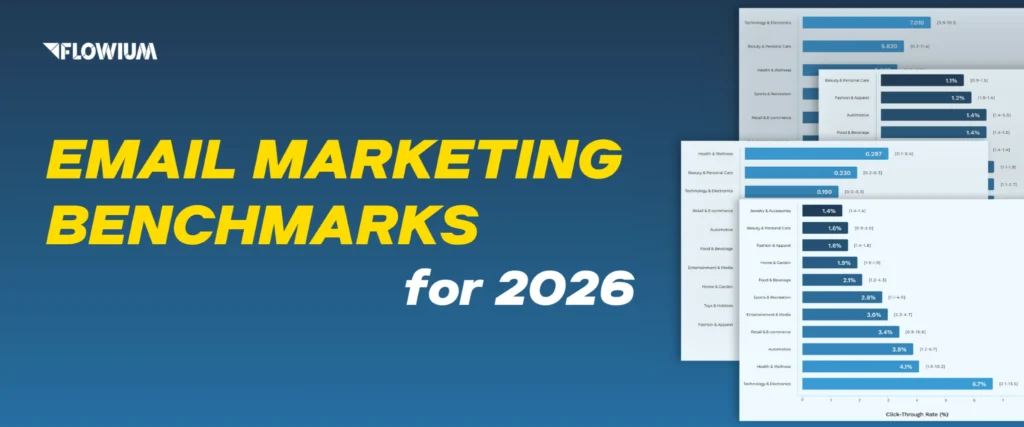
Optimizing B2B Marketing Via Proven Performance Data
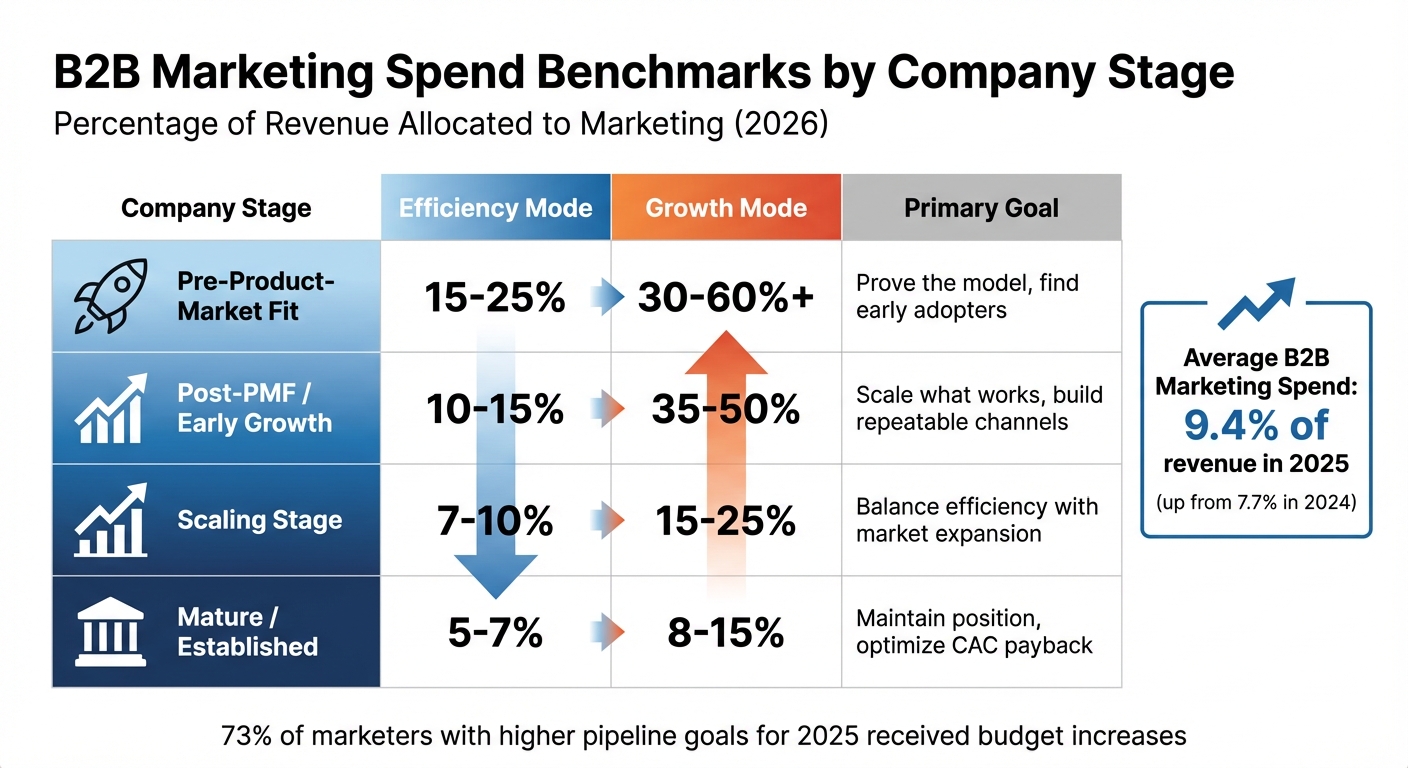
Current Marketing Reports for Modern Sectors
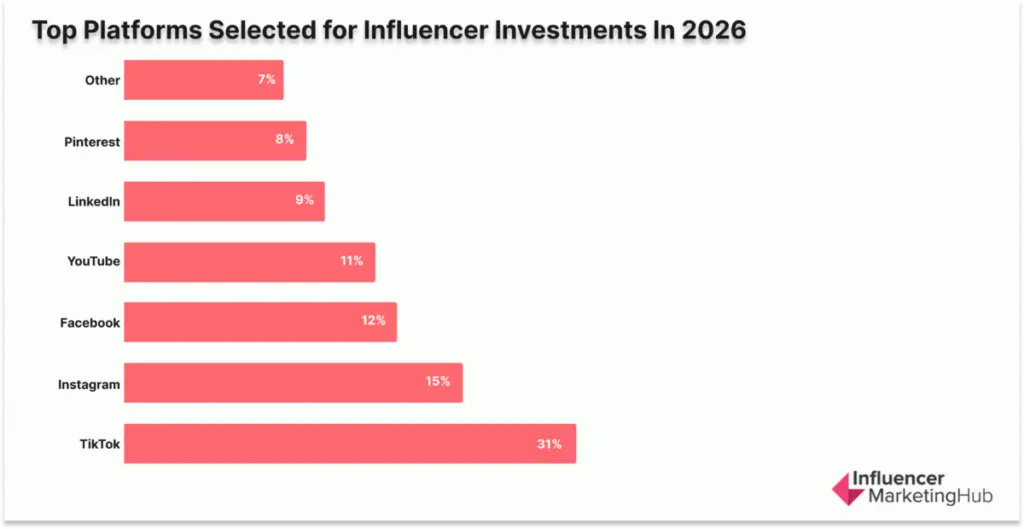
Deep Analysis On Industry Marketing Metrics